
A concussion is a type of mild traumatic brain injury (TBI) caused by a bump, blow, or jolt to the head—or even a hit to the body—that causes the brain to move rapidly back and forth. Though often labeled “mild,” concussions can have serious short- and long-term effects if not properly recognized and managed.
Common Causes
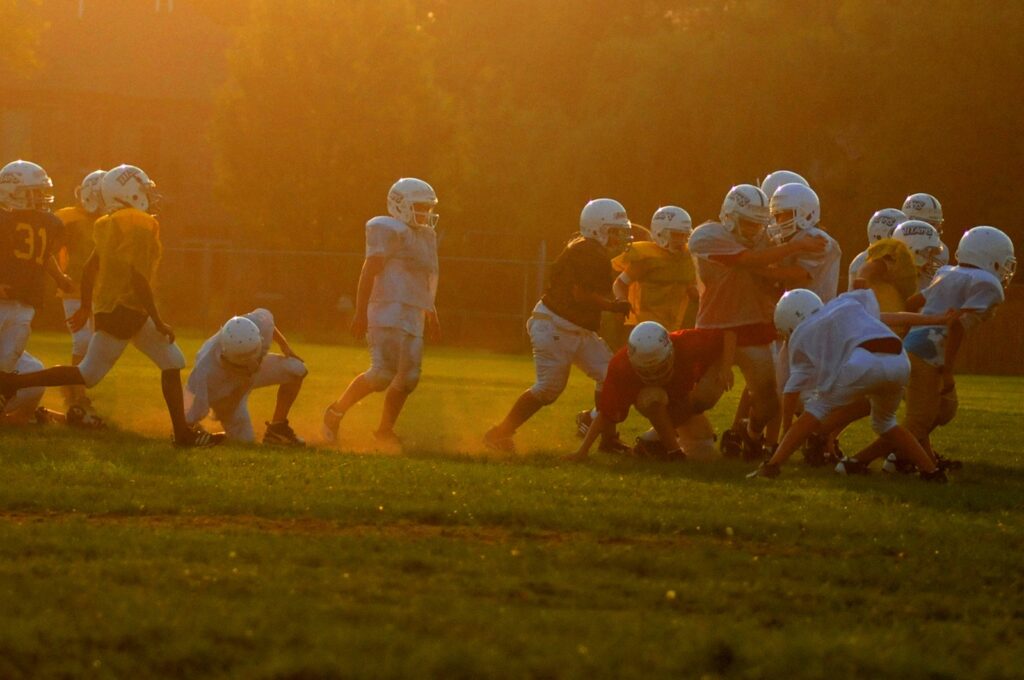
Concussions are most frequently seen in contact sports such as football, hockey, and soccer, but they can also occur from falls, motor vehicle accidents, and even playground injuries. Any event that causes the brain to shift inside the skull can lead to a concussion.
Symptoms to Watch For
Symptoms of a concussion may show up immediately or be delayed by hours or even days. They can include:
- Headache or “pressure” in the head
- Nausea or vomiting
- Dizziness or balance problems
- Sensitivity to light or noise
- Confusion, memory loss, or difficulty concentrating
- Mood changes or irritability
- Sleep disturbances
If someone exhibits slurred speech, repeated vomiting, worsening headache, seizures, or loss of consciousness, they should be seen in an emergency department immediately.
How Concussions Are Diagnosed
There is no single test to diagnose a concussion. Providers rely on symptom history, neurological exams, balance testing, and sometimes imaging (like a CT scan) to rule out more serious injuries. However, imaging often appears normal in most concussion cases.
Treatment and Recovery
Rest—both physical and cognitive—is the foundation of concussion management. This includes avoiding screens, loud environments, and strenuous activity for the first 24–48 hours. Gradual return to normal activities should be supervised by a medical provider, especially for athletes.
The CDC recommends a return-to-learn and return-to-play protocol that allows for stepwise progression through activity, ensuring symptoms do not return or worsen.
Long-Term Concerns
Repeated concussions—especially if not fully healed—can lead to prolonged symptoms or more serious issues like post-concussive syndrome. In rare cases, second impact syndrome can occur, which is a life-threatening condition involving rapid brain swelling.
Athletes, coaches, and parents should prioritize safety and always err on the side of caution when deciding whether someone is ready to return to play.
Summary
Concussions can be unpredictable and dangerous if not properly managed. Whether your child was injured on the field or you’re experiencing symptoms after a fall, early assessment is key to safe recovery. Don’t leave brain injuries to guesswork—get peace of mind from experienced medical professionals.
Suture Squad offers fast, expert evaluation for head injuries in the comfort of your home. We’re a mobile urgent care team serving the greater Hershey, PA area, available 7 days a week for on-site exams and telehealth consultations. We come to you—no waiting rooms, no insurance hassles, just quality care when you need it most.