

If you’ve ever stood up too fast and felt the world spin for a moment, you’ve had a glimpse of what vertigo feels like. But for some people, that dizzy, off-balance sensation doesn’t go away quickly—it lingers, disrupts daily life, and can even be a sign of something more serious.
Let’s break down peripheral vertigo in a way that’s easy to understand and, more importantly, shows you when it’s time to take it seriously.
What Is Vertigo?
Vertigo isn’t a disease—it’s a symptom. It’s the sensation that you or your surroundings are moving or spinning, even when everything is still. People often describe it as feeling off-balance, “lightheaded, “walking on a boat”, or like the room is spinning.
There are two main types of vertigo:
- Peripheral vertigo – caused by problems in your inner ear or vestibular nerve.
- Central vertigo – caused by issues in your brain, especially the brainstem or cerebellum.
This post focuses on peripheral vertigo, which is the more common and less dangerous of the two—but we’ll also explain how to tell if you might be dealing with something more serious.
What Causes Peripheral Vertigo?
Your inner ear plays a big role in keeping you balanced. When something interferes with how your inner ear senses motion and sends signals to your brain, it can lead to vertigo.
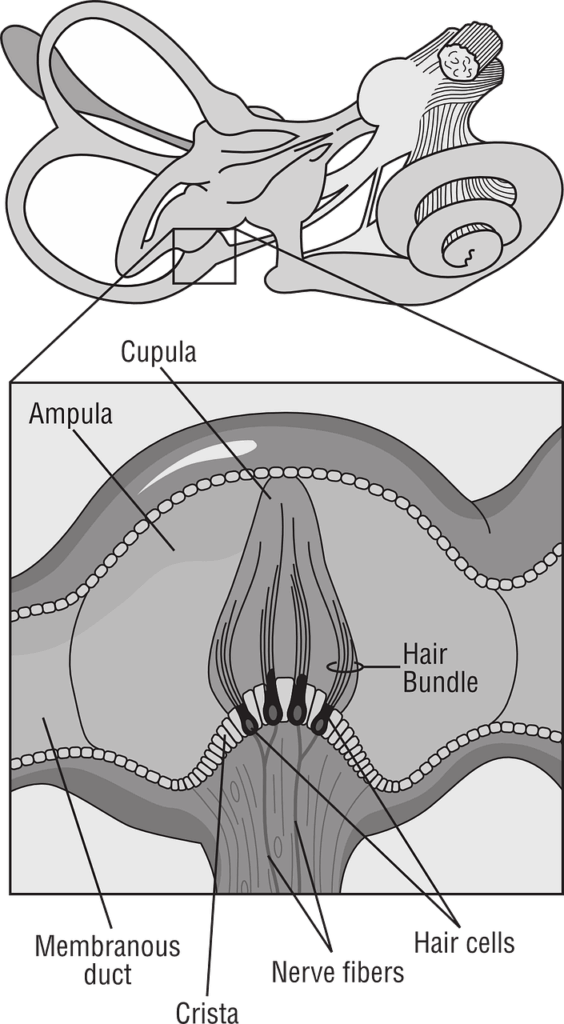
Common Causes of Peripheral Vertigo:
- Benign Paroxysmal Positional Vertigo (BPPV)
- Triggered by certain head movements (like rolling over in bed).
- Caused by tiny calcium crystals in your ear canal getting dislodged.
- Usually brief episodes of spinning lasting seconds to minutes.
- Vestibular Neuritis
- A viral infection/inflammation affecting the vestibular nerve.
- Sudden severe persistent vertigo, often with nausea and trouble walking.
- Usually improves over days to weeks.
- Meniere’s Disease
- Caused by fluid buildup in the inner ear.
- Vertigo attacks lasting 20 minutes to several hours.
- May include ringing in the ear (tinnitus), hearing loss, or ear fullness.
- Labyrinthitis
- Inflammation of both the vestibular nerve and the cochlea.
- Vertigo with hearing loss, often due to infection.
Symptoms of Peripheral Vertigo
- Sudden spinning sensation
- Feeling off-balance
- Nausea or vomiting
- Symptoms triggered by head position or movement
Note: In peripheral vertigo, hearing loss or ringing in the ear is possible, but you usually don’t have double vision, slurred speech, or weakness in your limbs. Those signs point to something more serious.
How Is Peripheral Vertigo Treated?
Treatment depends on the cause, but here are common approaches:
- BPPV: Often treated with head maneuvers like the Epley maneuver to move the crystals back into place.
- Vestibular Neuritis/Labyrinthitis: Supportive care (hydration, rest), sometimes steroids or antivirals.
- Meniere’s Disease: Low-salt diet, diuretics, anti-nausea meds.
Short-term medications like meclizine, antihistamines, or anti-nausea drugs may help with symptoms—but these are best used short-term since long-term use can delay your brain’s ability to adjust and recover.
When to Go to the ER: Signs of Central Vertigo
Although most vertigo is caused by issues in the inner ear and isn’t life-threatening, you should not ignore symptoms that may point to central vertigo, which could mean a stroke, tumor, or serious brain issue.
Go to the ER if you have vertigo plus any of these:
- Double vision
- Difficulty speaking or swallowing
- Facial drooping or numbness
- Weakness or numbness in arms or legs
- Unsteady gait or falling to one side when trying to walk
- Vertigo that doesn’t improve when lying still
- New, severe headache
- Seizures
- Loss of consciousness
These signs could mean the problem is in the brain, not the ear—and that can be dangerous.
If in doubt, get checked out. Better to get it looked at and be fine than to wait on something potentially life-threatening.
Final Thoughts
Peripheral vertigo can be scary, especially the first time you feel the world spin around you. But most cases are treatable and not dangerous. Knowing when to see a doctor and when to go to the ER is the key to staying safe and getting the right care fast.
Remember: dizziness isn’t always “just being tired” or “not eating enough.” Sometimes, your body is trying to tell you something.