

Swimmer’s ear, also known as otitis externa, is a common condition that affects people of all ages, particularly during the warmer months or after water exposure. Whether you’re spending time in the pool, ocean, or even in the shower, it’s important to recognize the signs early and know how to manage it properly.
What Is Swimmer’s Ear?
Swimmer’s ear is an infection of the outer ear canal, the passage that runs from the eardrum to the outside of the ear. It’s typically caused by water getting trapped in the ear canal, creating a moist environment that encourages bacterial or fungal growth.
Causes and Risk Factors
While water exposure is the most common trigger, other contributing factors include:
- Excessive ear cleaning with cotton swabs (which can damage the protective layer of the ear canal)
- Use of hearing aids or earplugs that cause microtrauma
- People with weakened immune systems
- People with Diabetes
Common Symptoms
Swimmer’s ear can range from mild to severe. Symptoms usually include:
- Itching in the ear canal
- Redness inside the ear
- Mild to severe ear pain, especially when tugging on the outer ear
- Drainage of clear, yellow, or pus-like fluid
- A feeling of fullness or temporary hearing loss
In more advanced cases, swelling can cause the ear canal to narrow or close off entirely, worsening the symptoms.
When to Seek Medical Attention
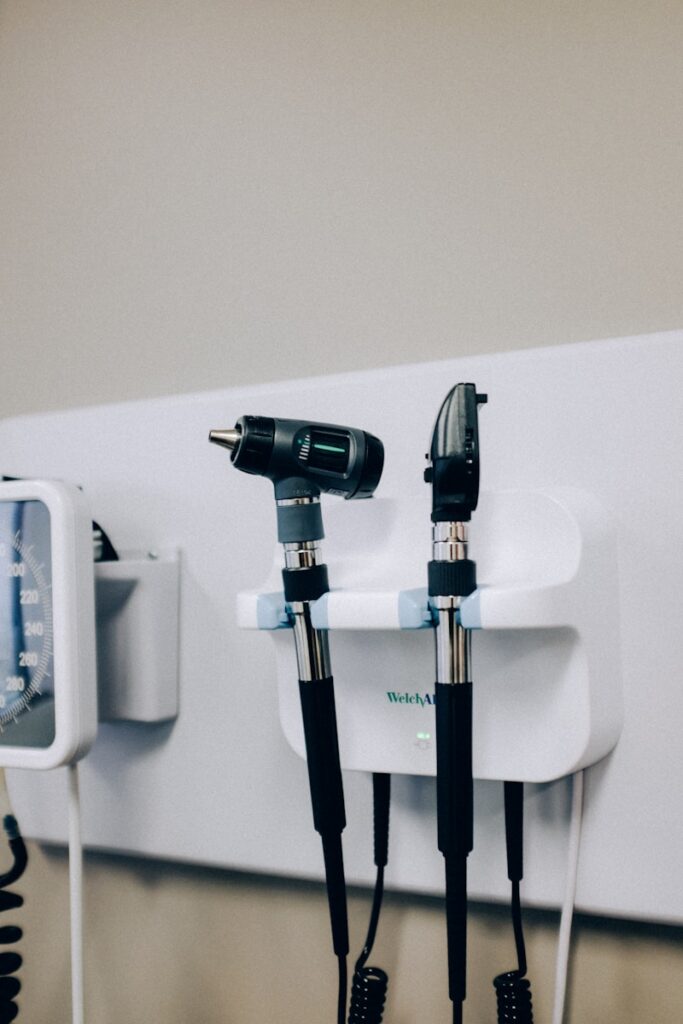
You should seek medical evaluation if:
- Symptoms last more than a day or two
- Ear pain is severe
- There’s discharge from the ear
- You experience hearing changes
- You have a history of diabetes or a compromised immune system (these can increase the risk of complications)
Treatment Options
Most cases of swimmer’s ear are treated with:
- Prescription ear drops that may include antibiotics, steroids, or antifungals
- Pain relief with over-the-counter medications like acetaminophen or ibuprofen
- Cleaning the ear canal (done by a healthcare professional, never at home)
- Avoiding water exposure until the infection resolves
If the infection is fungal or more advanced, alternative medications may be needed.
Preventing Swimmer’s Ear
To reduce the risk of getting swimmer’s ear:
- Dry your ears thoroughly after swimming or showering (tilt your head to let water drain out, then use a towel to gently pat dry)
- Use earplugs designed for swimming if you’re prone to infections
- Avoid inserting objects into your ears (including cotton swabs!)
- Consider using over-the-counter drying ear drops after water exposure, especially if you swim frequently
Final Thoughts
Swimmer’s ear is a manageable and often preventable condition. Early recognition and prompt treatment can relieve symptoms quickly and help avoid complications. If in doubt, especially when pain or drainage is involved, it’s best to get it checked out by a medical professional.
For those in the Hershey, PA area, Suture Squad offers on-demand care and we can provide telehealth consultations for anyone in Pennsylvania with ear pain and other common conditions. We’re just a click or call away when you need us.